Visual perception

12 March, 2026

The Superellipse, the curve between a square and a circle

The Superellipse, the curve between a square and a circle

A simple mathematical curve discovered in the 19th century quietly influences logos, icons, and urban design.
A simple mathematical curve discovered in the 19th century quietly influences logos, icons, and urban design.

The Superellipse

The Superellipse

If perfect circles don’t always look right, what kind of shape works better?
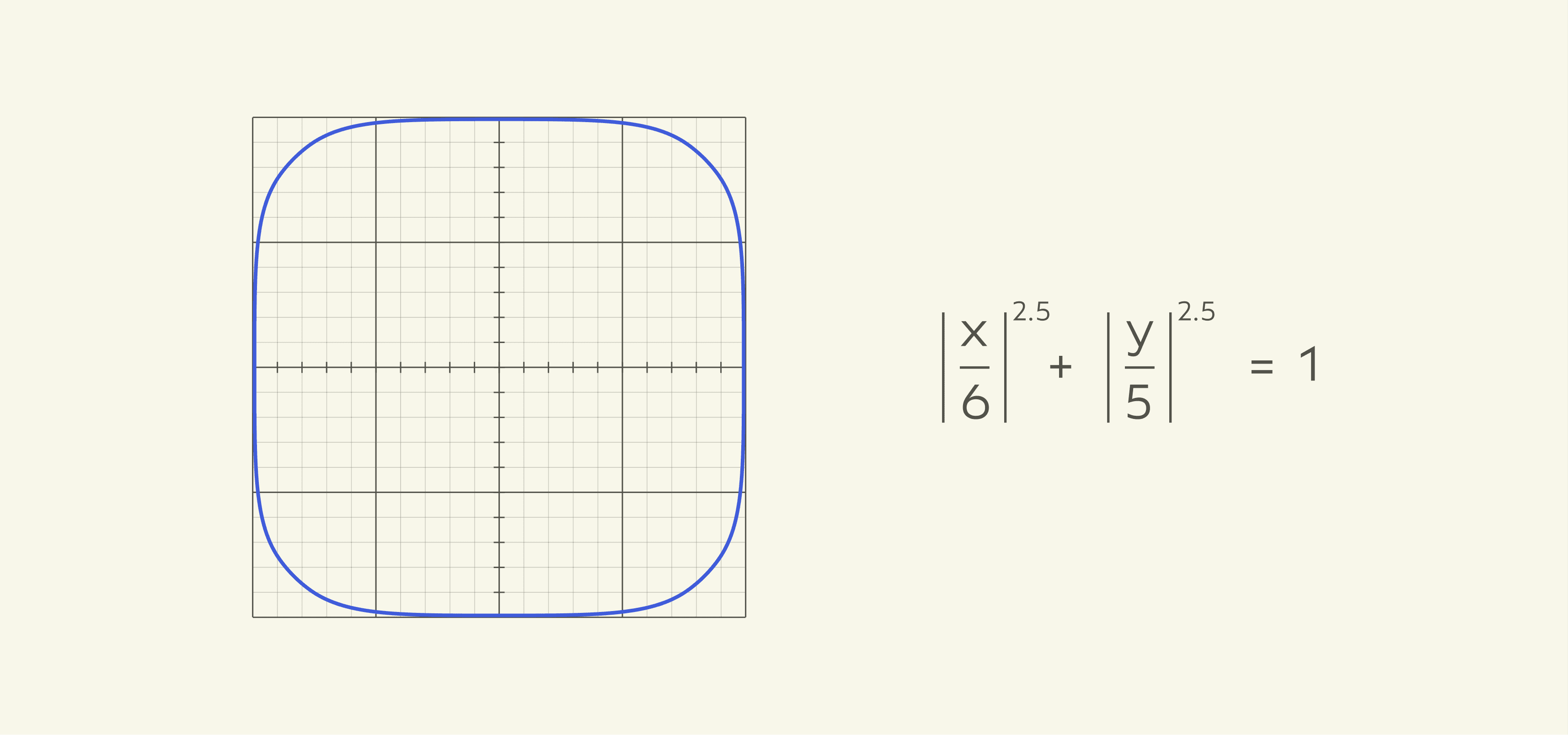
One elegant answer comes from mathematics: the superellipse.


It was first studied in the 19th century by the French mathematician Gabriel Lamé, but despite the intimidating name, the idea behind it is surprisingly simple.


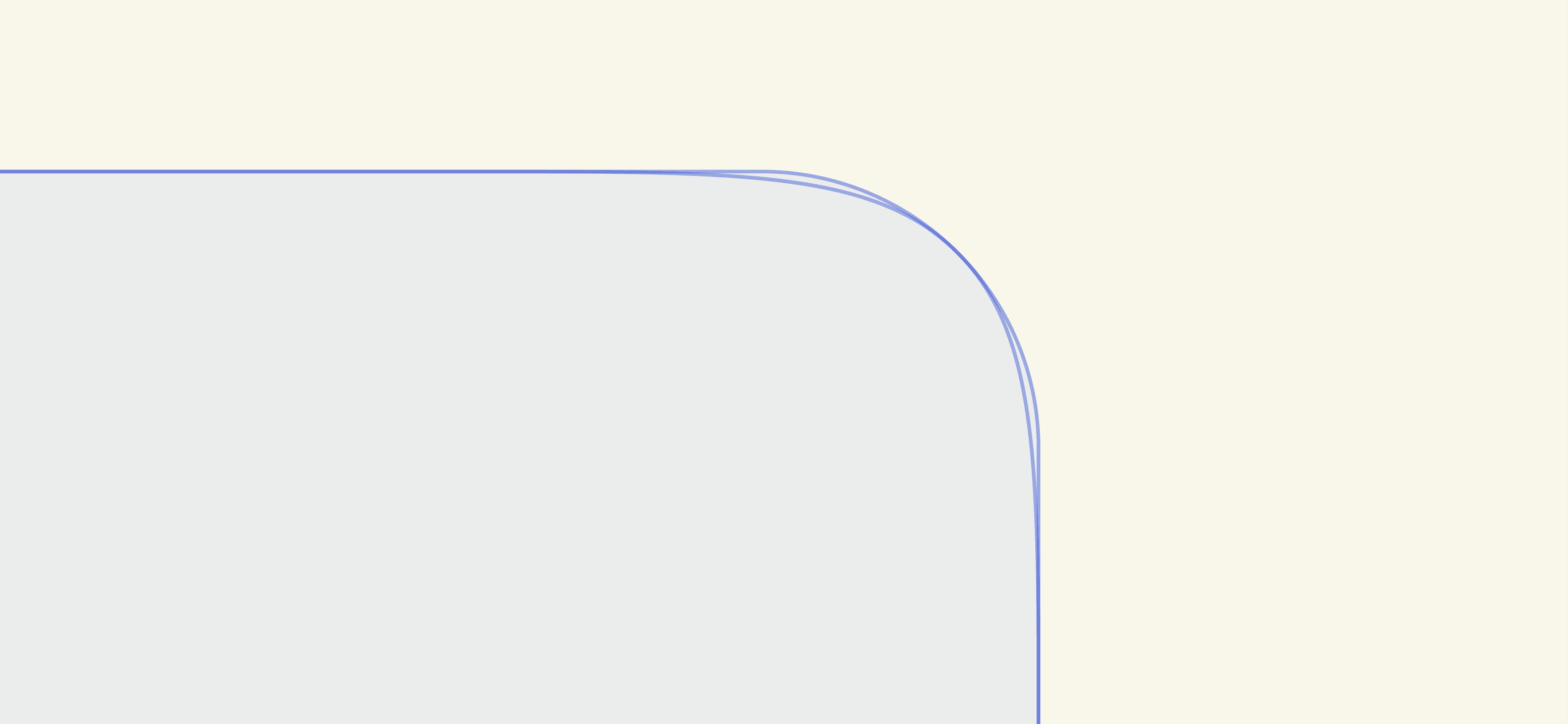
Imagine a shape that sits somewhere between a circle and a square, not a square with circular corners, but something smoother, a shape where the edges and corners are part of the same continuous curve.


Instead of sharp transitions between edges and corners, the curve flows smoothly around the entire shape, that’s essentially what the superellipse does.


Today, this curve appears in surprising places, from urban planning to digital interfaces.
If perfect circles don’t always look right, what kind of shape works better?
One elegant answer comes from mathematics: the superellipse.


It was first studied in the 19th century by the French mathematician Gabriel Lamé, but despite the intimidating name, the idea behind it is surprisingly simple.


Imagine a shape that sits somewhere between a circle and a square, not a square with circular corners, but something smoother, a shape where the edges and corners are part of the same continuous curve.


Instead of sharp transitions between edges and corners, the curve flows smoothly around the entire shape, that’s essentially what the superellipse does.


Today, this curve appears in surprising places, from urban planning to digital interfaces.

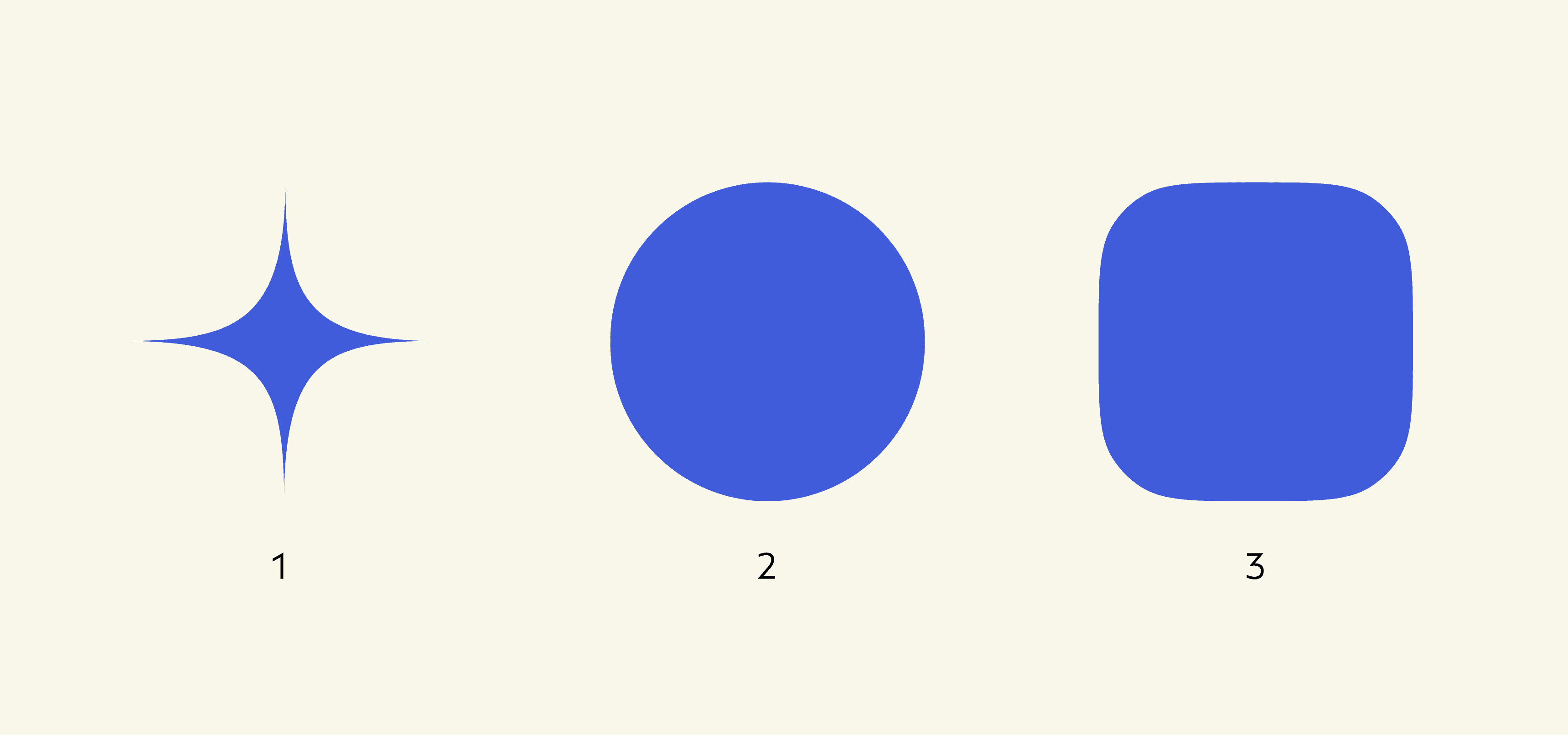
By adjusting a parameter in its equation, the curve can smoothly transform between different geometries.

At one extreme it begins to resemble a diamond [1], in the middle it becomes a circle [2], and as the value increases further the shape slowly evolves into a rounded square, the squircle [3].
By adjusting a parameter in its equation, the curve can smoothly transform between different geometries.

At one extreme it begins to resemble a diamond [1], in the middle it becomes a circle [2], and as the value increases further the shape slowly evolves into a rounded square, the squircle [3].

It’s a surprisingly elegant piece of mathematics. And visually, it produces shapes that feel much more natural to the eye.

It’s a surprisingly elegant piece of mathematics. And visually, it produces shapes that feel much more natural to the eye.

The Squircle

The Squircle

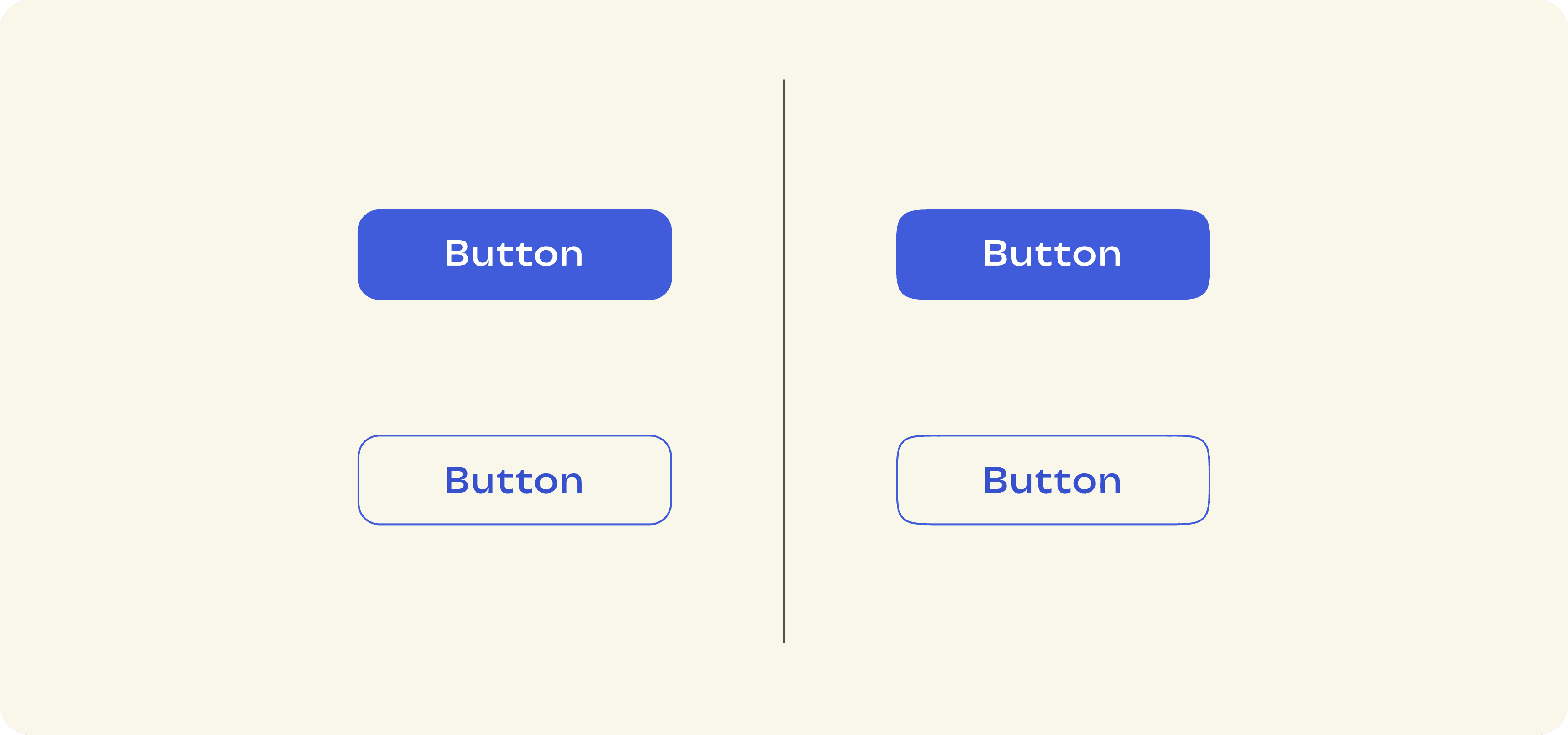
Designers often refer to this type of shape as a squircle, a name that pretty much explains itself: somewhere between a square and a circle.


Unlike a typical rounded rectangle, the corners of a squircle blend more gradually into the edges, creating a shape that feels softer without losing the stability of a square. It’s a subtle difference, but visually the proportions tend to feel more balanced.


The easiest way to notice it is by comparing real interface elements.
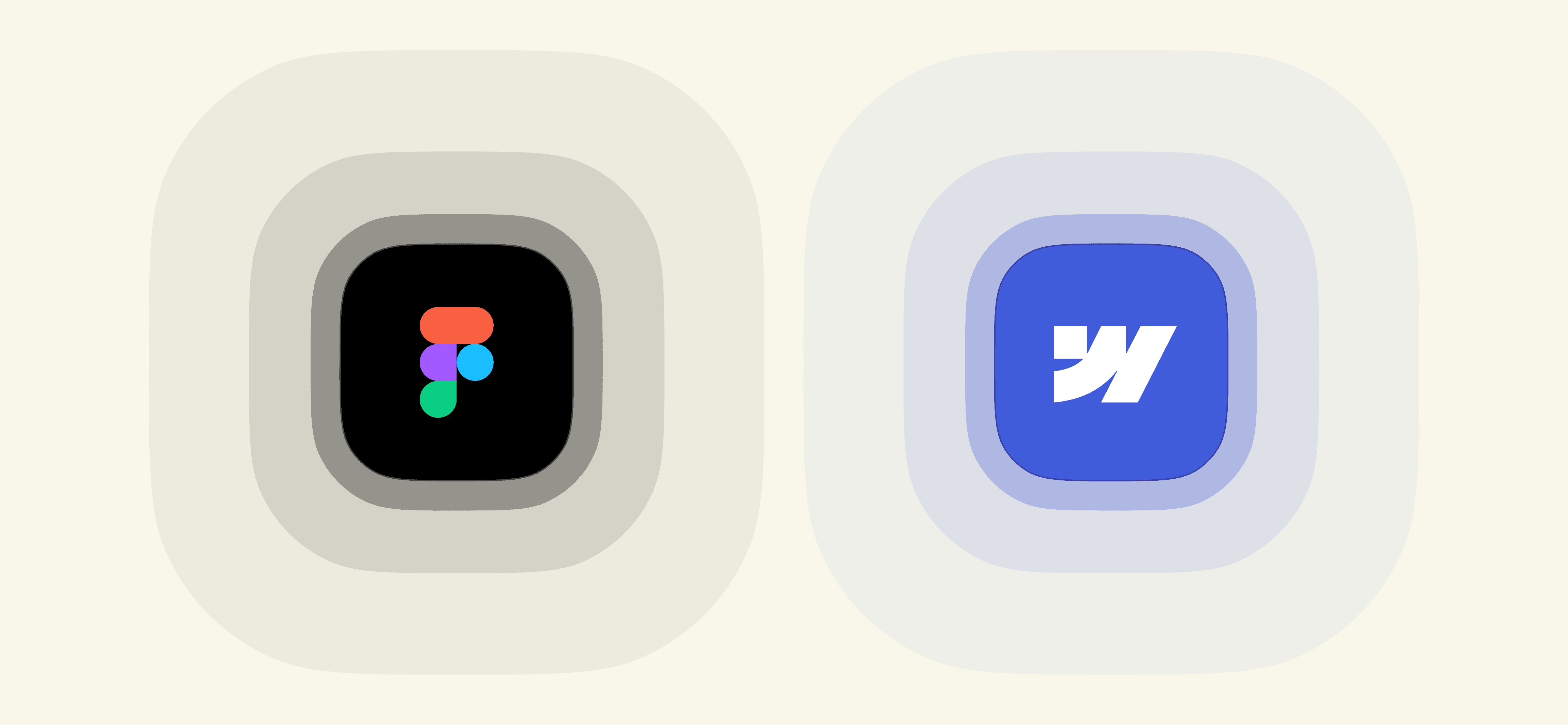
Take something simple like a button. If you draw it as a standard rounded rectangle using a border radius, the corners are clearly circular. Now replace that with a squircle and the shape suddenly feels smoother and more cohesive, even though the size and layout stay exactly the same.


You can see the same effect in cards, icons, and containers, rounded rectangles work perfectly well, but squircles often feel just a bit more refined.
It’s a small detail, but it’s exactly the kind of detail designers tend to care about, the kind most users will never consciously notice, yet it still makes the interface feel more polished.
Designers often refer to this type of shape as a squircle, a name that pretty much explains itself: somewhere between a square and a circle.


Unlike a typical rounded rectangle, the corners of a squircle blend more gradually into the edges, creating a shape that feels softer without losing the stability of a square. It’s a subtle difference, but visually the proportions tend to feel more balanced.


The easiest way to notice it is by comparing real interface elements.
Take something simple like a button. If you draw it as a standard rounded rectangle using a border radius, the corners are clearly circular. Now replace that with a squircle and the shape suddenly feels smoother and more cohesive, even though the size and layout stay exactly the same.


You can see the same effect in cards, icons, and containers, rounded rectangles work perfectly well, but squircles often feel just a bit more refined.
It’s a small detail, but it’s exactly the kind of detail designers tend to care about, the kind most users will never consciously notice, yet it still makes the interface feel more polished.

Applications - The Stockholm superellipse

Applications - The Stockholm superellipse

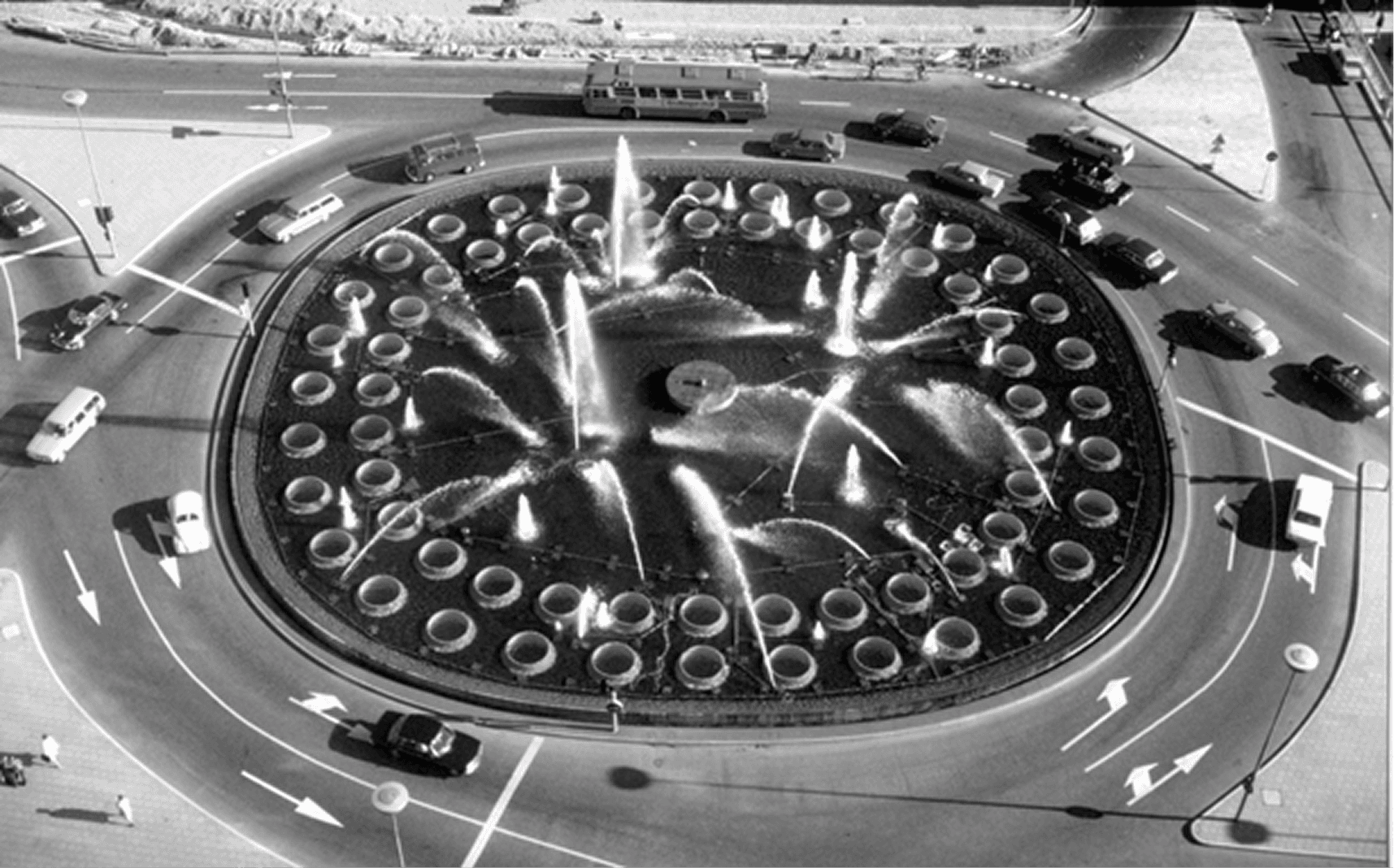
One of the most fascinating applications of the superellipse happened far away from screens and interfaces. In the late 1950s, the city of Stockholm was redesigning a large public square called Sergels Torg, the urban planners had a problem: A circular plaza didn’t fit well with the surrounding city grid. A rectangular one felt too rigid and awkward for traffic flow.

Then Danish scientist and designer Piet Hein suggested something unexpected: a superellipse. The shape solved both problems at once, It aligned naturally with the rectangular street grid while still maintaining smooth edges that helped traffic and movement flow around the space.

Construction began in the 1960s, and the square still exists today, It’s probably one of the most famous real-world examples of a mathematical curve quietly shaping how people move through a city.
One of the most fascinating applications of the superellipse happened far away from screens and interfaces. In the late 1950s, the city of Stockholm was redesigning a large public square called Sergels Torg, the urban planners had a problem: A circular plaza didn’t fit well with the surrounding city grid. A rectangular one felt too rigid and awkward for traffic flow.

Then Danish scientist and designer Piet Hein suggested something unexpected: a superellipse. The shape solved both problems at once, It aligned naturally with the rectangular street grid while still maintaining smooth edges that helped traffic and movement flow around the space.

Construction began in the 1960s, and the square still exists today, It’s probably one of the most famous real-world examples of a mathematical curve quietly shaping how people move through a city.

The Shape of Modern Icons

The Shape of Modern Icons

This idea eventually made its way into modern interface design.

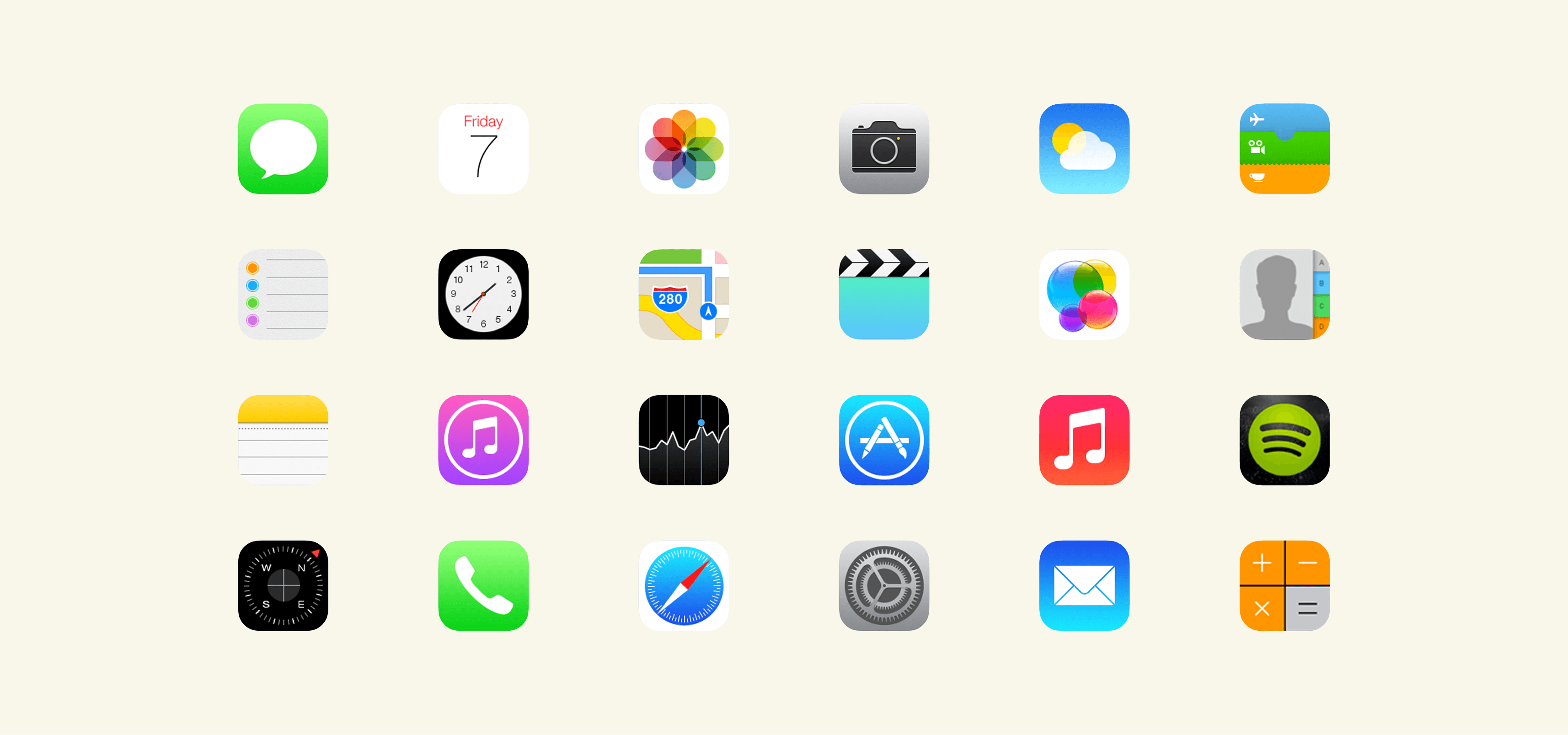
Apple popularized the squircle-style icon shape with the introduction of iOS 7 in 2013, when the system adopted a superellipse-like mask for its app icons. The reasoning was surprisingly similar to what designers like Piet Hein had already discovered decades earlier: a shape that sits somewhere between a circle and a square simply feels more balanced.

Take a closer look at the icons on an iPhone. They’re not simple rounded rectangles. The corners are smoother and the edges feel more stable, which makes the icons sit comfortably next to each other in a grid.

That shape is essentially a superellipse.
This idea eventually made its way into modern interface design.

Apple popularized the squircle-style icon shape with the introduction of iOS 7 in 2013, when the system adopted a superellipse-like mask for its app icons. The reasoning was surprisingly similar to what designers like Piet Hein had already discovered decades earlier: a shape that sits somewhere between a circle and a square simply feels more balanced.

Take a closer look at the icons on an iPhone. They’re not simple rounded rectangles. The corners are smoother and the edges feel more stable, which makes the icons sit comfortably next to each other in a grid.

That shape is essentially a superellipse.

It works particularly well for icon systems because it distributes visual weight more evenly. Circles can feel a little too soft, while rounded rectangles sometimes look slightly rigid. The squircle sits right in the middle, which makes icon grids feel more harmonious and consistent.

Other companies eventually moved in a similar direction. Xiaomi’s MIUI interface adopted a very comparable icon style, continuing a pattern of drawing inspiration from Apple’s design language.


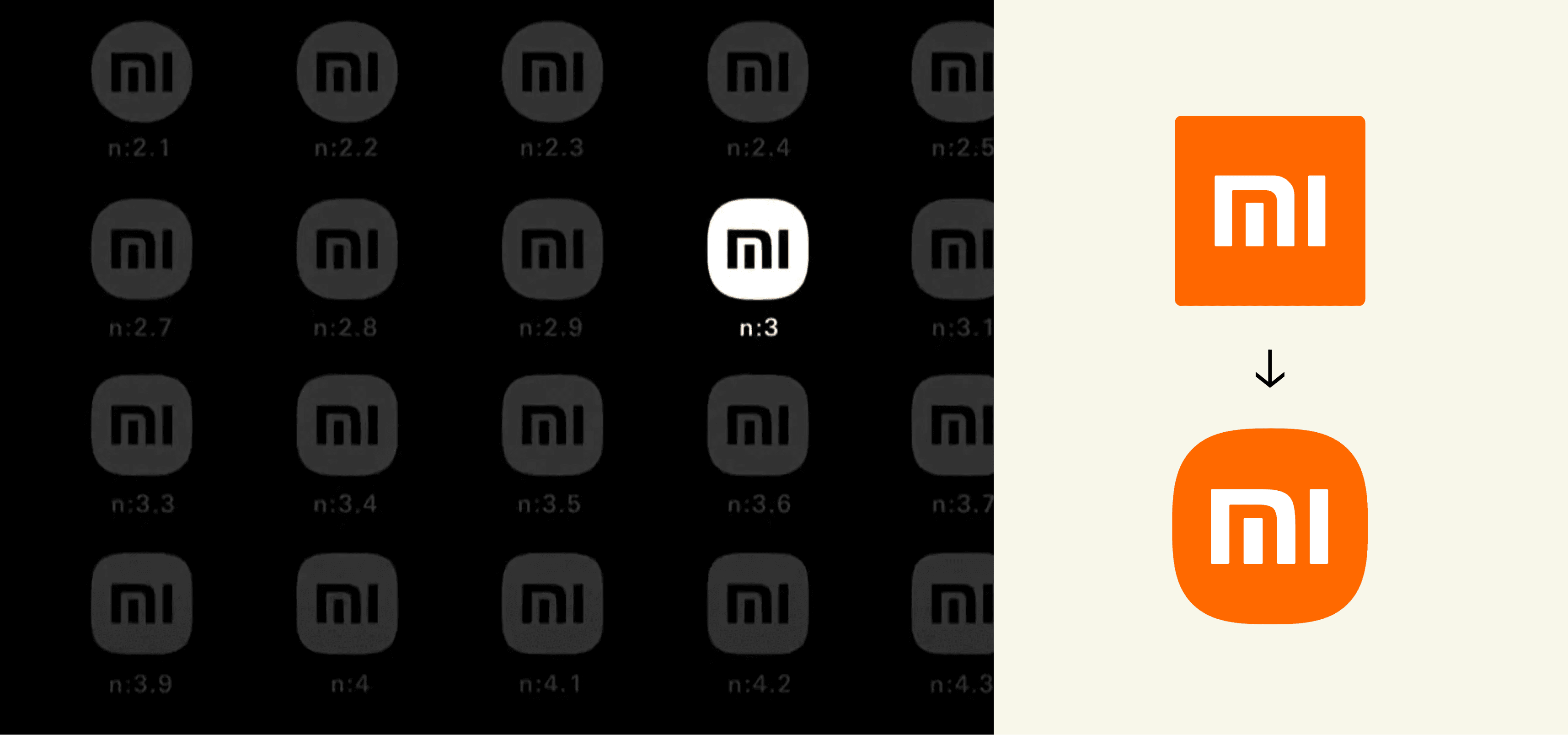
In 2021, Xiaomi even redesigned its corporate logo using a squircle shape, replacing the sharp corners of its previous square mark with subtly rounded ones. The redesign reportedly cost around $300,000, which sparked plenty of jokes online because at first glance the change looked almost invisible.
But that’s exactly the point.

Shapes like these operate at a very subtle level. Most people will never consciously notice them, yet they still influence how balanced and polished a design feels.
It works particularly well for icon systems because it distributes visual weight more evenly. Circles can feel a little too soft, while rounded rectangles sometimes look slightly rigid. The squircle sits right in the middle, which makes icon grids feel more harmonious and consistent.

Other companies eventually moved in a similar direction. Xiaomi’s MIUI interface adopted a very comparable icon style, continuing a pattern of drawing inspiration from Apple’s design language.


In 2021, Xiaomi even redesigned its corporate logo using a squircle shape, replacing the sharp corners of its previous square mark with subtly rounded ones. The redesign reportedly cost around $300,000, which sparked plenty of jokes online because at first glance the change looked almost invisible.
But that’s exactly the point.

Shapes like these operate at a very subtle level. Most people will never consciously notice them, yet they still influence how balanced and polished a design feels.

When Math Meets Perception

When Math Meets Perception

The story of the superellipse is a great reminder that design is rarely about perfect geometry, it’s about how shapes feel.

The curves that look the most natural often come from subtle mathematical ideas, ideas that quietly adapt geometry to match how humans actually see.

From a curve studied in the 1800s to the icons on modern smartphones, Lamé curves have found their way into everyday design.


And once you start looking for them, you realise something funny, that “perfect” circles might not be so perfect after all.
The story of the superellipse is a great reminder that design is rarely about perfect geometry, it’s about how shapes feel.

The curves that look the most natural often come from subtle mathematical ideas, ideas that quietly adapt geometry to match how humans actually see.

From a curve studied in the 1800s to the icons on modern smartphones, Lamé curves have found their way into everyday design.


And once you start looking for them, you realise something funny, that “perfect” circles might not be so perfect after all.